

Post-Hurricane Cleanup: A Step-by-Step Guide To Restoring Your Tampa Home
If you live in Tampa, you're probably no stranger to the devastating impact hurricanes can have on your home and community. When a storm passes, the cleanup process begins. This can be overwhelming, especially when you face damage from high winds, flooding, and debris. Knowing what steps to take and how to prioritize repairs can help speed up the recovery process and prevent further issues.
This guide offers a step-by-step approach to post-hurricane cleanup and restoration for Tampa homeowners, focusing on the most common types of damage seen in the area and offering practical advice for getting your home back to normal.
Step 1: Assess the Safety of Your Home
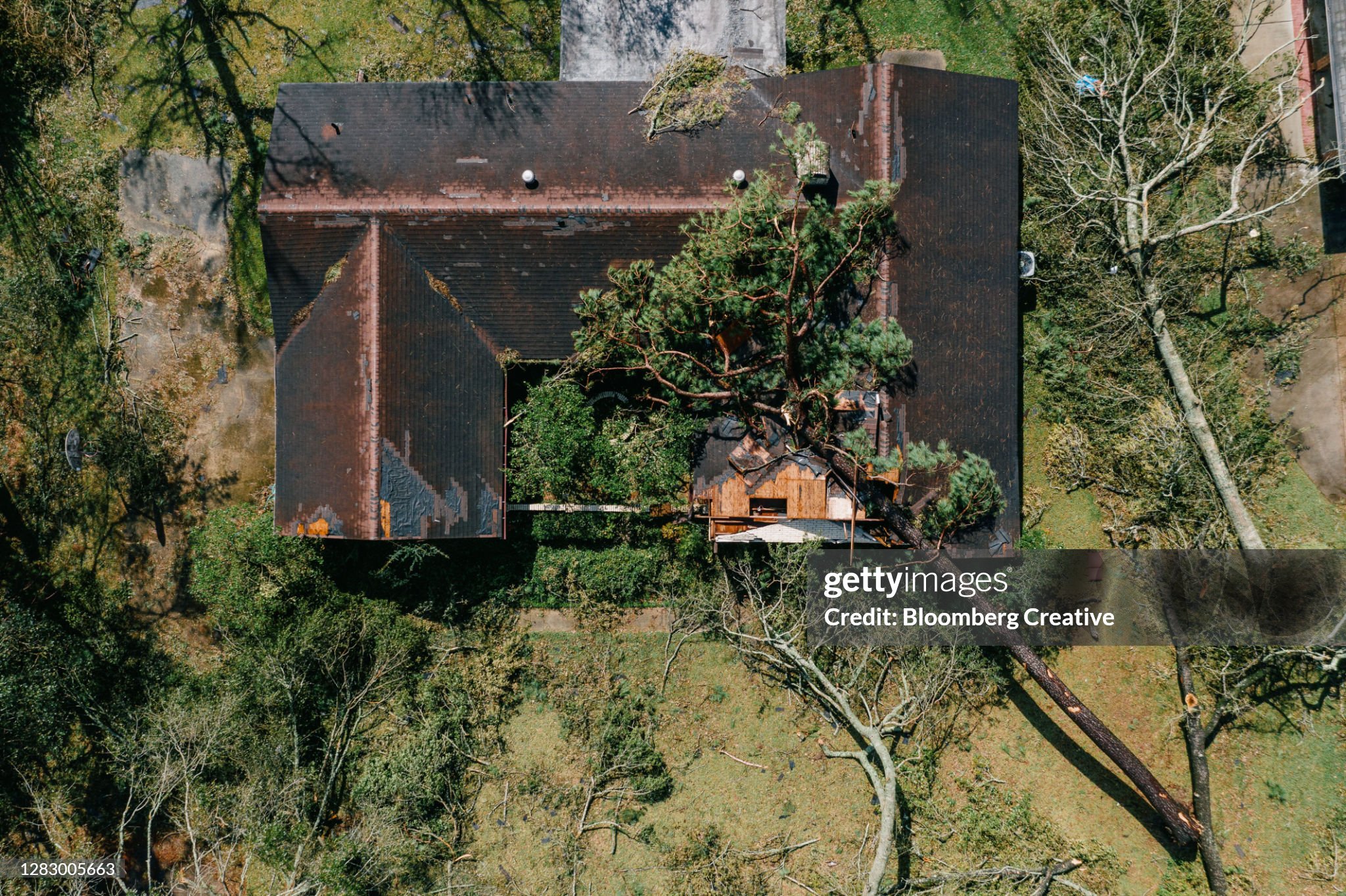
Bloomberg Creative/Bloomberg Creative Photos via Getty images
After the storm, safety should be your top priority. Before entering your home, ensure there are no immediate dangers, such as damaged power lines, structural damage, or standing water.
Inspect for Structural Damage
Hurricanes can weaken the foundation, walls, and roof of your home. Look for signs of sagging ceilings, cracked walls, or shifts in the structure. If you notice any major structural damage, it's best to call a professional before entering your home.
Be Aware of Floodwater
In Tampa, flooding is a common issue after hurricanes. Damaged power lines and electrical systems can create a safety risk. If flooding at any part of your house has reached an outlet, turn off your breaker and don't restore power until an electrician inspects the home. Keep in mind that floodwaters may contain dangerous bacteria, sewage, or chemicals. Use protective gear such as rubber boots and gloves when assessing water-damaged areas. If in doubt, always call in a professional team to help you.
Step 2: Document the Damage
Once your home is safe to enter, take detailed photos and videos of the affected areas for your insurance claim. Focus on areas where damage is most obvious, including:
- Roof and Gutters: Check for missing shingles, holes, or sagging areas.
- Windows and Doors: Look for broken glass, torn screens, or damaged frames.
- Flood Damage: Photograph any standing water, soaked materials, and any items that are submerged.
Make a note of items that may need to be replaced like appliances, furniture, and flooring. Keep records of any receipts or expenses for the cleanup process to support your insurance claim.
Step 3: Contact Your Insurance Company
Contact your insurance provider to start the claims process. If you have separate insurance providers for your homeowner's policy and flood policy, you may need to contact more than one provider to start the claims process.
While many Tampa homeowners have hurricane insurance, it's essential to understand your policy's coverage, including any deductibles and what types of damage are covered. The sooner you file, the faster the restoration process can begin. Be prepared to provide photos, videos, and documentation. Your insurance company will send an adjuster to assess the damage directly. Be present during the assessment to ensure they don't miss anything.
Step 4: Begin the Cleanup Process
Once your claim is underway, it's time to start cleaning up. Depending on the extent of the damage, this could range from removing debris to bailing out water.
Debris Removal
Start by clearing fallen trees, branches, and other debris from your yard and driveway. Significant tree damage can create additional hazards or attract pests. Wear proper protective gear when removing sharp or heavy debris.
Separate Hazardous Materials
Tampa's local waste management services often provide special collection services after a hurricane. Be sure to separate hazardous materials, such as paint, chemicals, or electronics, for them to remove. These items often require specific disposal procedures.
Water Removal and Drying
Flooding is one of the most challenging issues after a hurricane. Dealing with the water as soon as possible helps prevent long-term damage.
- Use a Sump Pump or Wet Vacuum: Use a sump pump or wet vacuum to remove water. Time is of the essence when dealing with floodwaters, as mold can start growing within 24-48 hours.
- Ventilate the Space: Open windows and doors to allow air to circulate and speed up the drying process. Fans and dehumidifiers can also help reduce moisture levels.
- Remove Water-Damaged Materials: Soaked carpets, drywall, insulation, and furniture will need to be removed and replaced as they can harbor mold and bacteria. As drywall soaks up water from below, you should remove at least 2-1/2 feet higher than the highest flood line.
Step 5: Address Mold and Mildew
Mold is a common problem after flooding, especially in Tampa's humid environment. Even if your home seems dry, any hidden moisture in the walls or floors can cause problems.
- Inspect for Mold Early: Mold can grow quickly, so it's important to inspect your home promptly. Look for discolored patches, musty odors, or visible mold spores.
- Use Mold-Resistant Products: When rebuilding, consider using mold-resistant drywall, insulation, and paints to reduce the risk of mold in the future.
- Hire a Professional for Mold Remediation: For large mold infestations, it's best to call a professional mold remediation service. Mold removal can be dangerous, and professionals have the right tools and expertise to remove it safely.
Step 6: Repair and Rebuild
Depending on the extent of the damage, you may need to hire contractors to assist with roofing, siding, electrical, or plumbing work. Choose licensed professionals with experience in hurricane restoration, as they'll be familiar with Tampa's building codes. Focus on repairing the roof, walls, and foundation first. Consider making upgrades that can help protect your home during future hurricanes. Impact-resistant windows, hurricane-rated doors, and reinforced roofing materials can make a big difference when the next storm rolls in.
Step 7: Stay Informed
Tampa residents should stay informed about local recovery efforts, government assistance, and waste collection schedules. The city often provides valuable resources, including debris removal guidelines and information on disaster relief programs. The City of Tampa and FEMA offer a wealth of information for homeowners recovering from a storm, including housing assistance, cleanup services, and financial aid. Hurricane season in Tampa runs from June to November. Stay prepared for future storms by monitoring weather forecasts and following the guidance of local authorities.
Moving Forward: Rebuilding and Preparing for the Future
Restoring your home after a hurricane can be a challenging task, but by planning carefully and using the right resources, you can rebuild and strengthen your home for the future. Whether you're tackling debris removal yourself or hiring professionals to assist with major repairs after flooding, taking the time to restore your home properly will ensure it's ready to weather the storms ahead. We are #TampaStrong.